
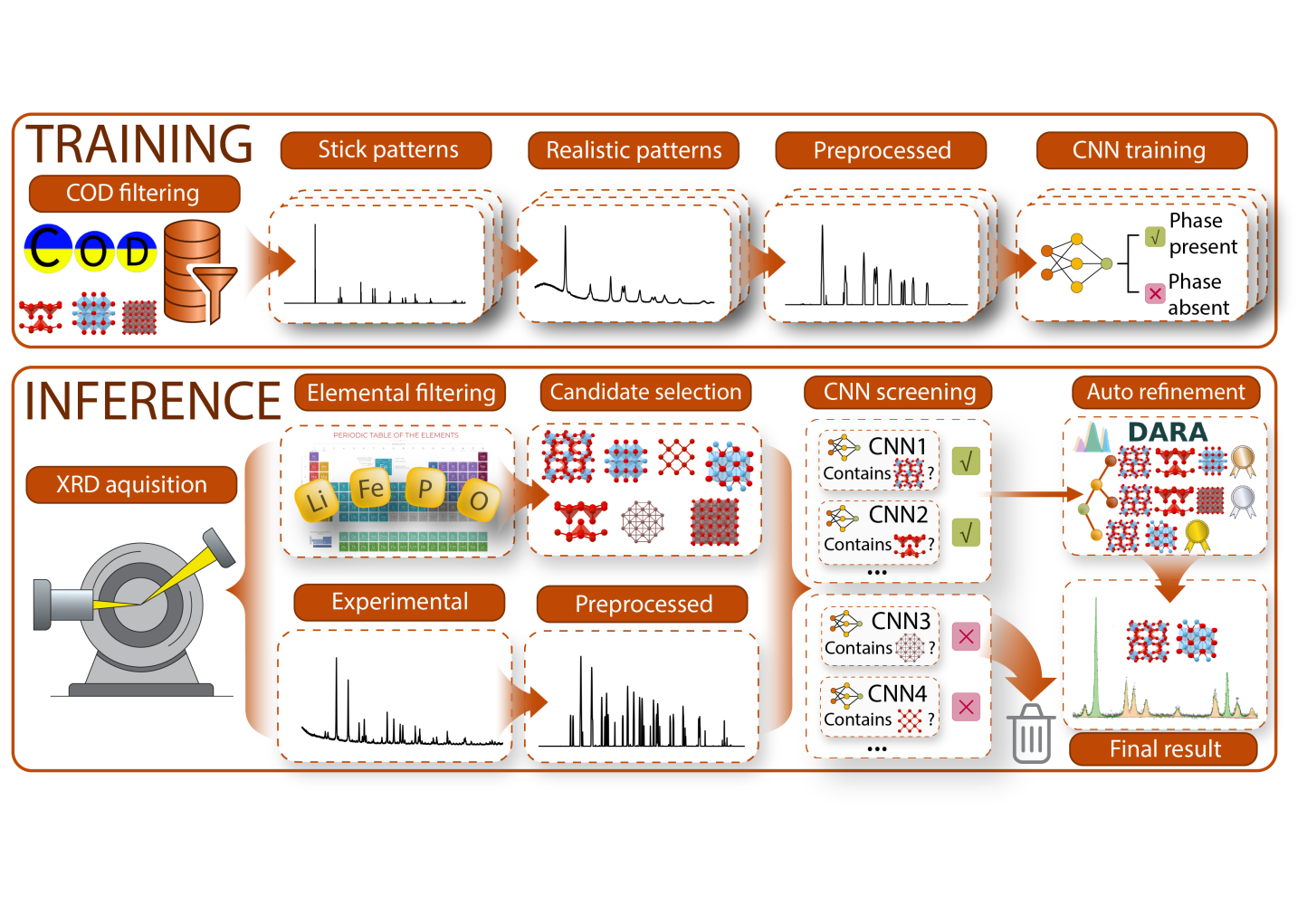
Our work introducing GALAXI is now available as a preprint on arXiv. Instead of relying on a single model to discriminate among all candidate phases, GALAXI trains an independent classifier for each phase and then uses automated Rietveld refinement to select the combination that best explains the measured pattern. We have pretrained classifiers for 64,594 structures from the Crystallography Open Database and deployed them for community use at galaxi-xrd.com.
Read the preprint →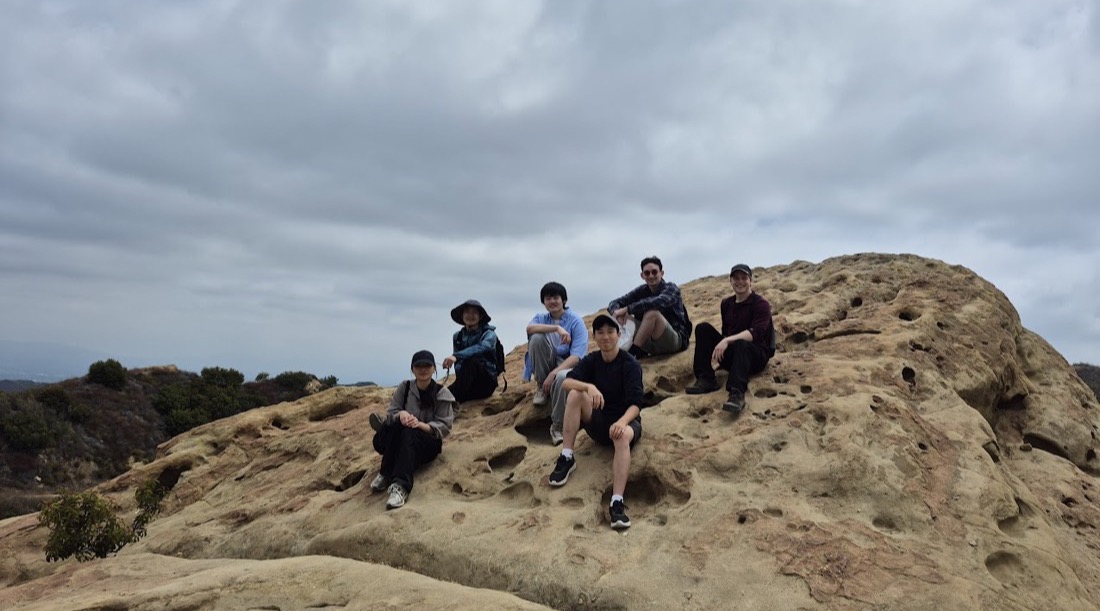
To kick off the summer, the group hiked the Musch Trail to Eagle Rock in Topanga State Park, enjoying the views and some time outside the lab together.
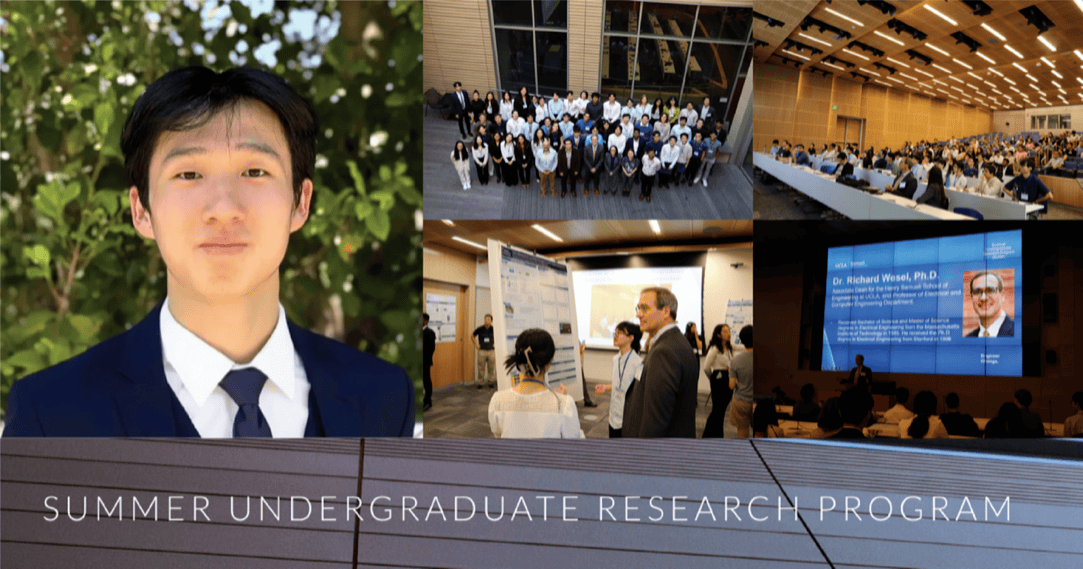
Congratulations to undergraduate researcher Ethan Jin, who has been awarded a place in the UCLA Samueli Summer Undergraduate Research Program (SURP)! Over the 10-week program, Ethan will gain hands-on experience working alongside faculty and graduate-student mentors, attend professional development workshops and industry tech talks, and present his work at the program's final poster symposium. We look forward to supporting Ethan as he continues developing tools for the automated analysis of materials characterization data.
Learn more about SURP →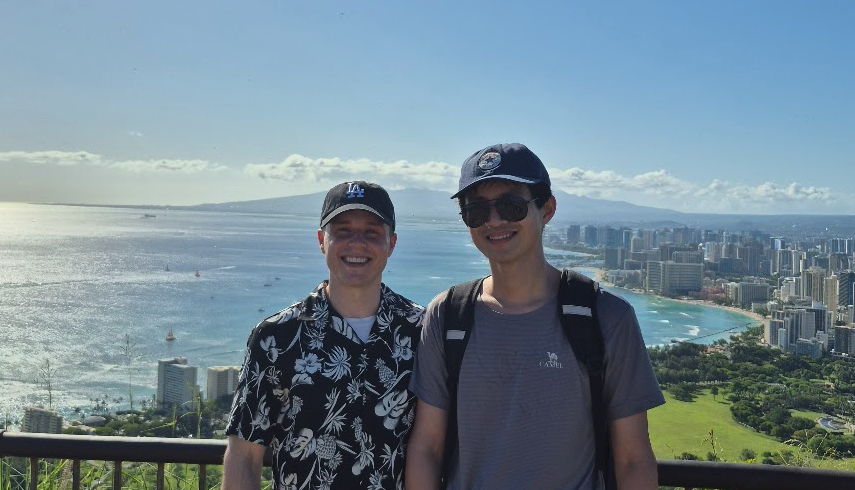
Members of the group traveled to Honolulu for the 2026 MRS Spring Meeting. Prof. Szymanski gave a tutorial on machine learning and artificial intelligence for integrating X-ray characterization, data analysis, and modeling of materials.
View the tutorial →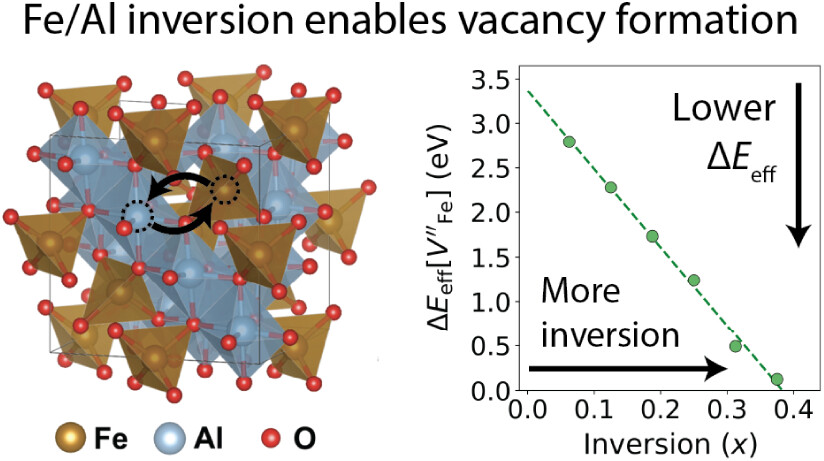
Our work on how cation vacancies mediate solar thermochemical water splitting in iron aluminate (hercynite, FeAl2O4) spinels is now published in Chemistry of Materials. Using first-principles calculations, we show that antisite disorder between Fe and Al dramatically lowers the formation energy of octahedral Fe vacancies, unlocking the high vacancy concentrations responsible for redox cycling and large hydrogen yields. The results offer general design principles for materials that operate through a cation-vacancy mechanism.
Read the article →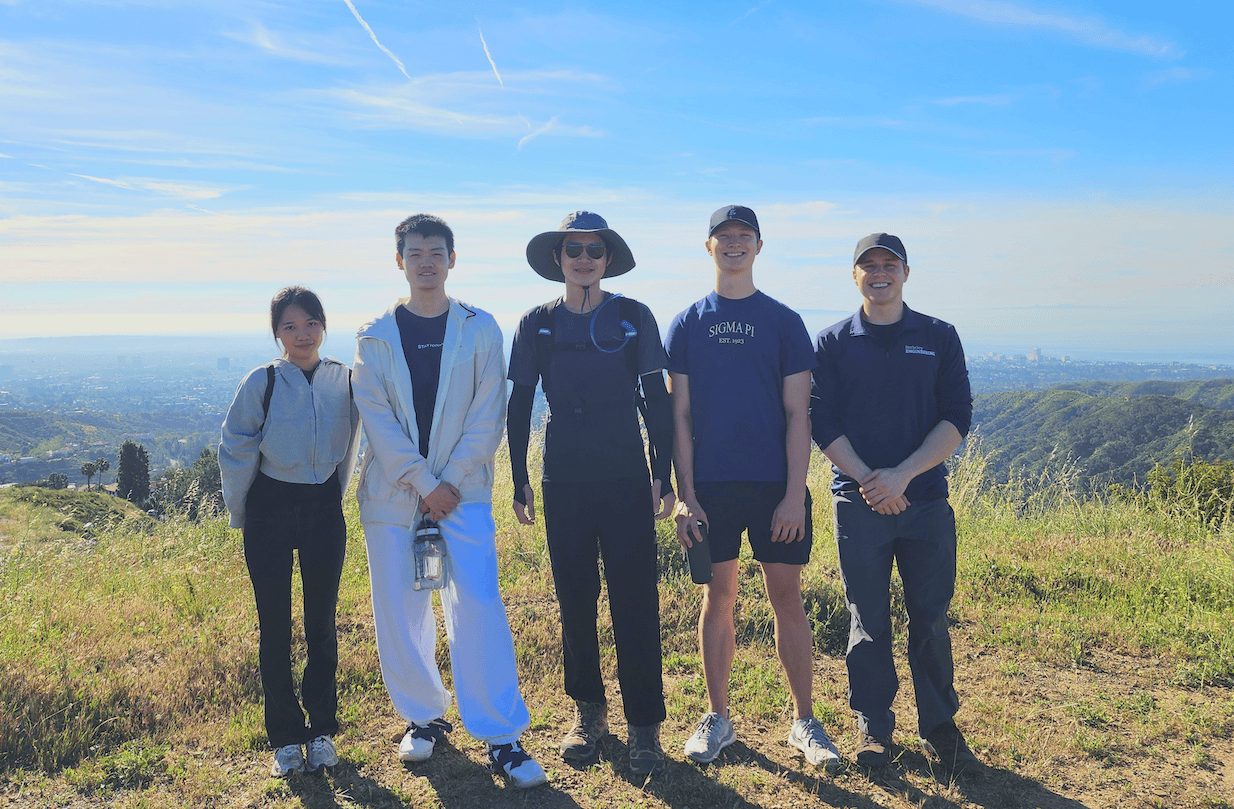
The group spent a sunny morning hiking the Westridge Trail in Brentwood, with views stretching across the Westside out to the ocean.
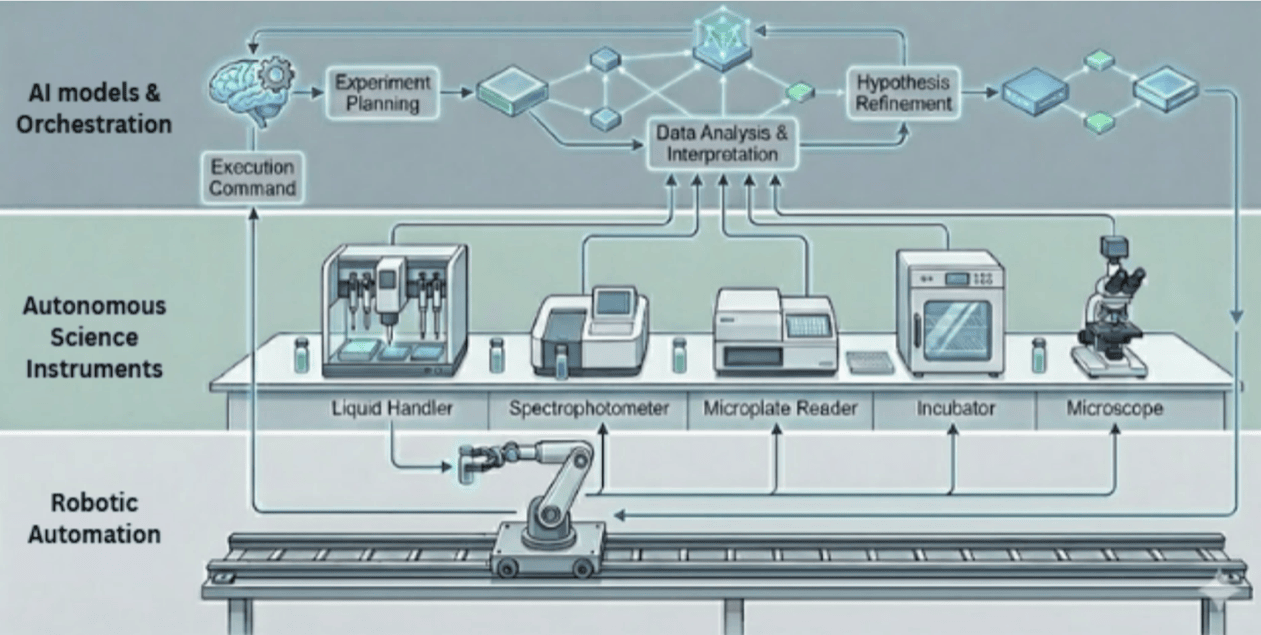
We contributed to a community call to action, "On the Need for Autonomous Science Instruments," now available as a preprint on ChemRxiv. Co-authored with researchers from across the autonomous experimentation community, the piece argues that autonomous labs have moved well beyond a niche and lays out the case for building open, interoperable instruments to accelerate scientific discovery.
Read the preprint →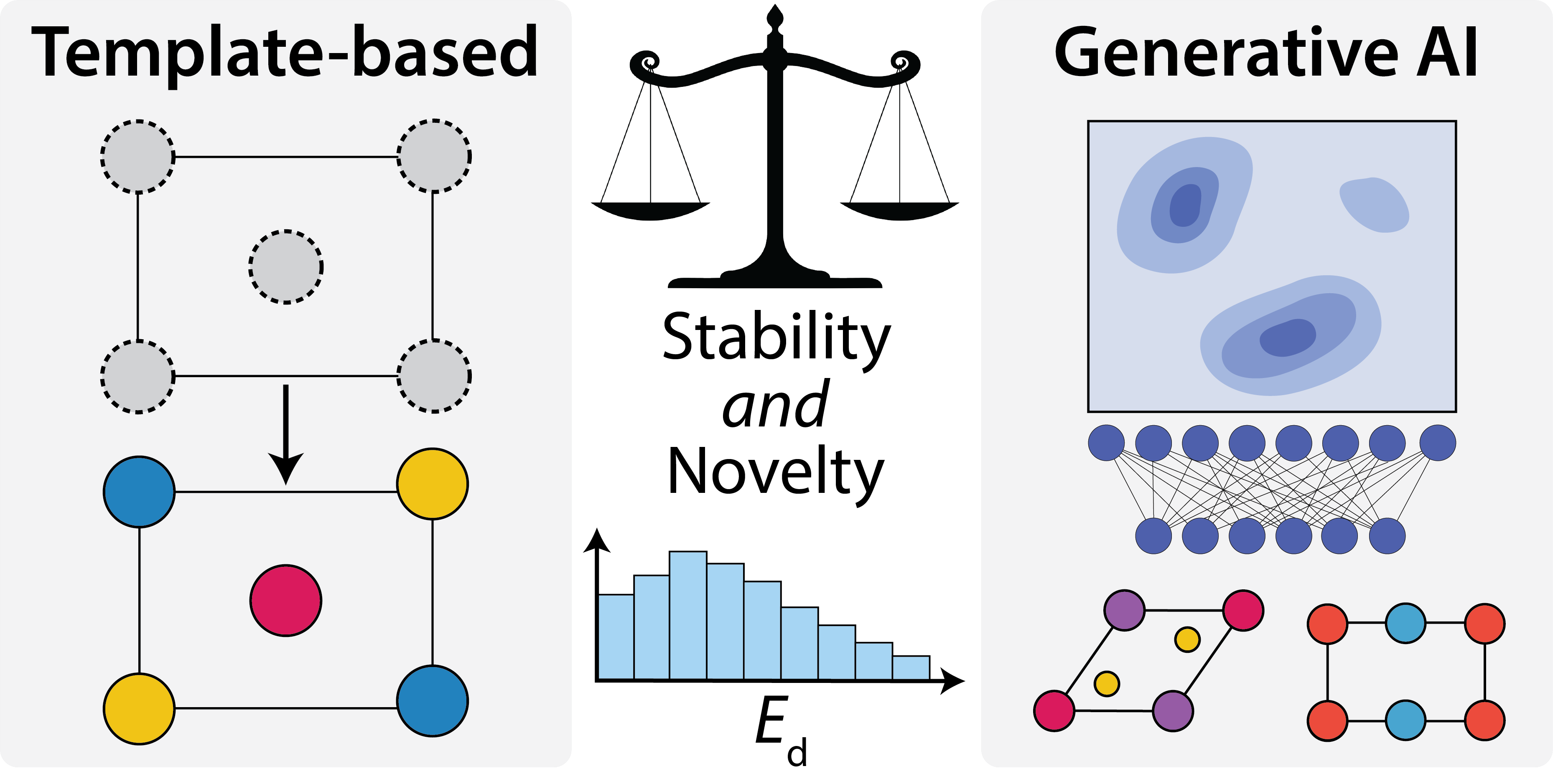
Our work on establishing baselines for the generative design of inorganic crystalline materials is now available in Materials Horizons. This research provides fundamental benchmarks for evaluating generative models in materials science and demonstrates new approaches for constrained crystal structure generation.
Read the article →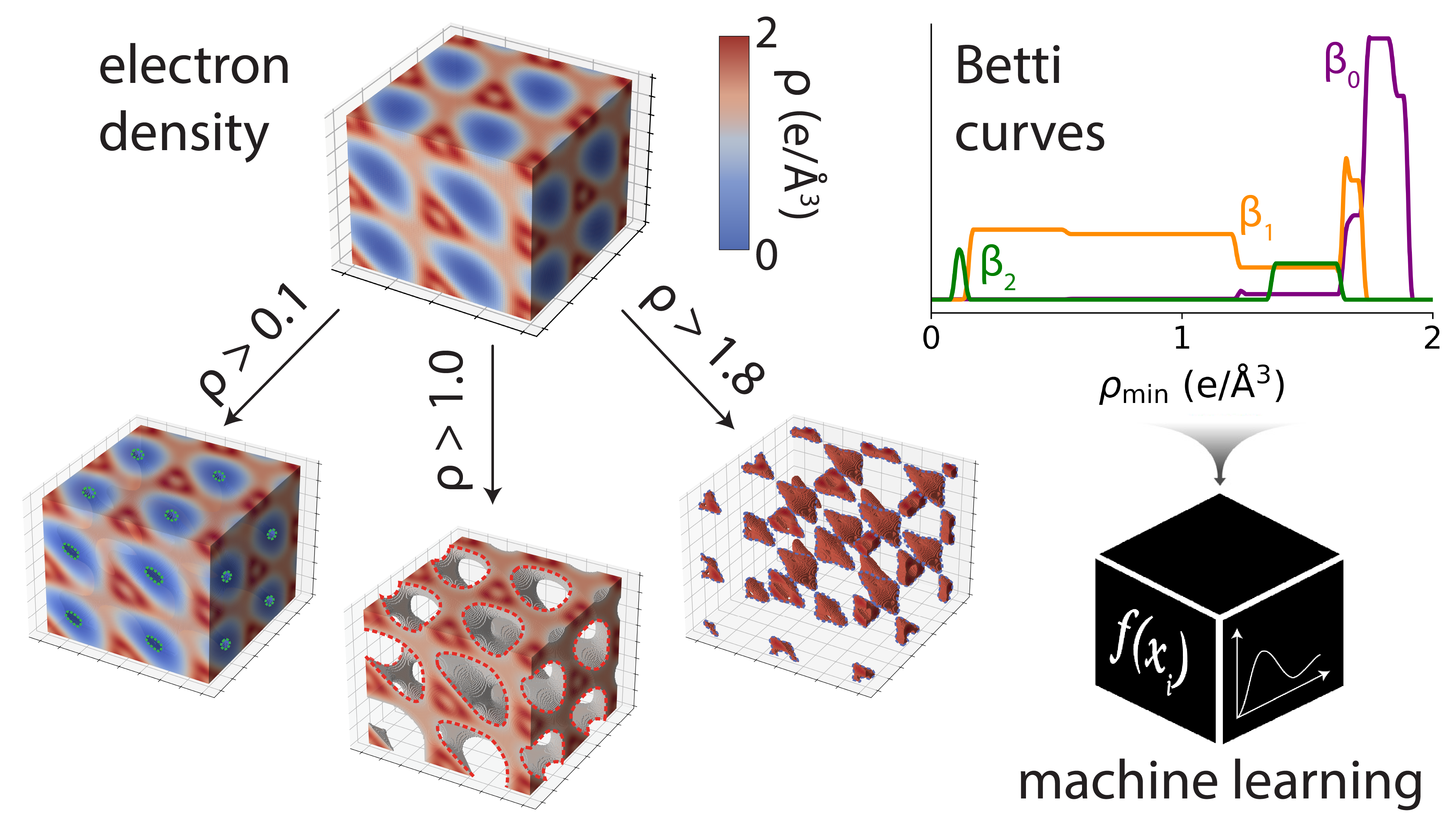
Our work on leveraging topology as a new descriptor for structure and bonding is now available in ACS Materials Letters. We demonstrate how topological analysis of electron density can provide insights into materials properties that complement traditional bonding analysis methods.
Read the article →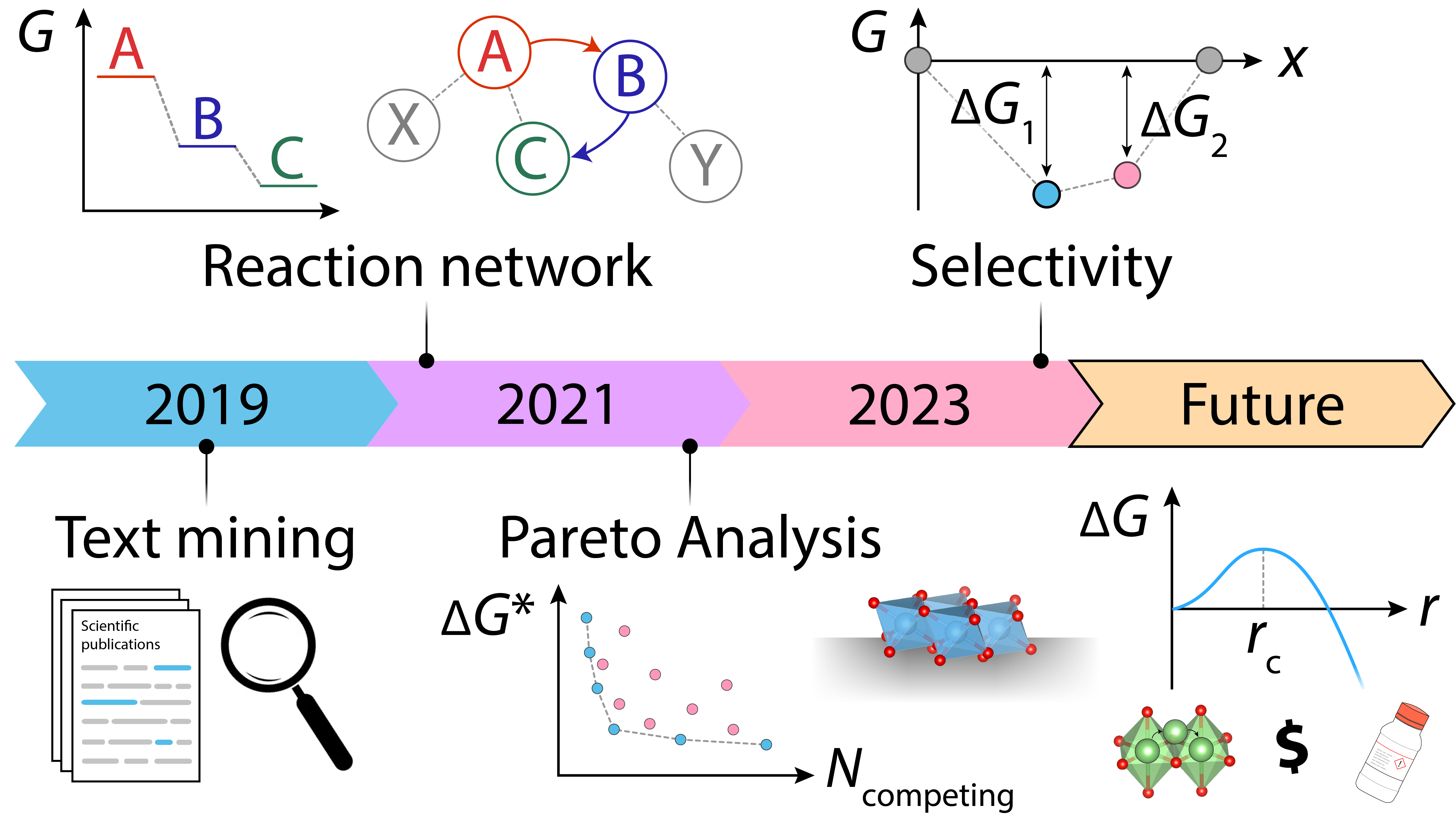
Our perspective on computational methods for synthesis planning was recently published in ACS Energy Letters. The article reviews current approaches and outlines future directions for integrating computational tools into materials synthesis workflows.
Read the article →